
Industrial Management Pathway
Careers in Industrial Management
The Industrial Management pathway opens doors across nearly every sector, because every organization needs people who can make complex systems run better. Graduates land high-demand, high-paying roles as industrial engineers, systems engineers, operations research analysts, supply chain and logistics analysts, quality engineers, manufacturing and process engineers, project managers, and management consultants.
Explore the Careers Waiting for You

Make every system run smarter as an Industrial Engineer, designing and optimizing the production processes, supply chains, quality systems, and human workflows that keep modern industry moving — from factories and hospitals to logistics networks and tech companies. It's a versatile, high-paying career with strong demand across nearly every sector and a clear path into leadership wherever efficiency, quality, and results matter.

Lead the teams that build what the world depends on — as an Industrial Production Manager, you'll plan, direct, and coordinate the people, processes, and resources that turn raw materials into finished products on time, on budget, and on spec. It's a high-impact, high-paying leadership role with strong demand across manufacturing, automotive, food production, energy, and beyond.

Be the standard-setter that great products are built on — as a Quality Control Systems Manager, you'll plan and direct the quality assurance programs that keep manufacturing, labs, and production lines performing at the top of their game. It's a leadership role with strong pay, broad industry demand, and the satisfaction of knowing your work protects both customers and the brand.
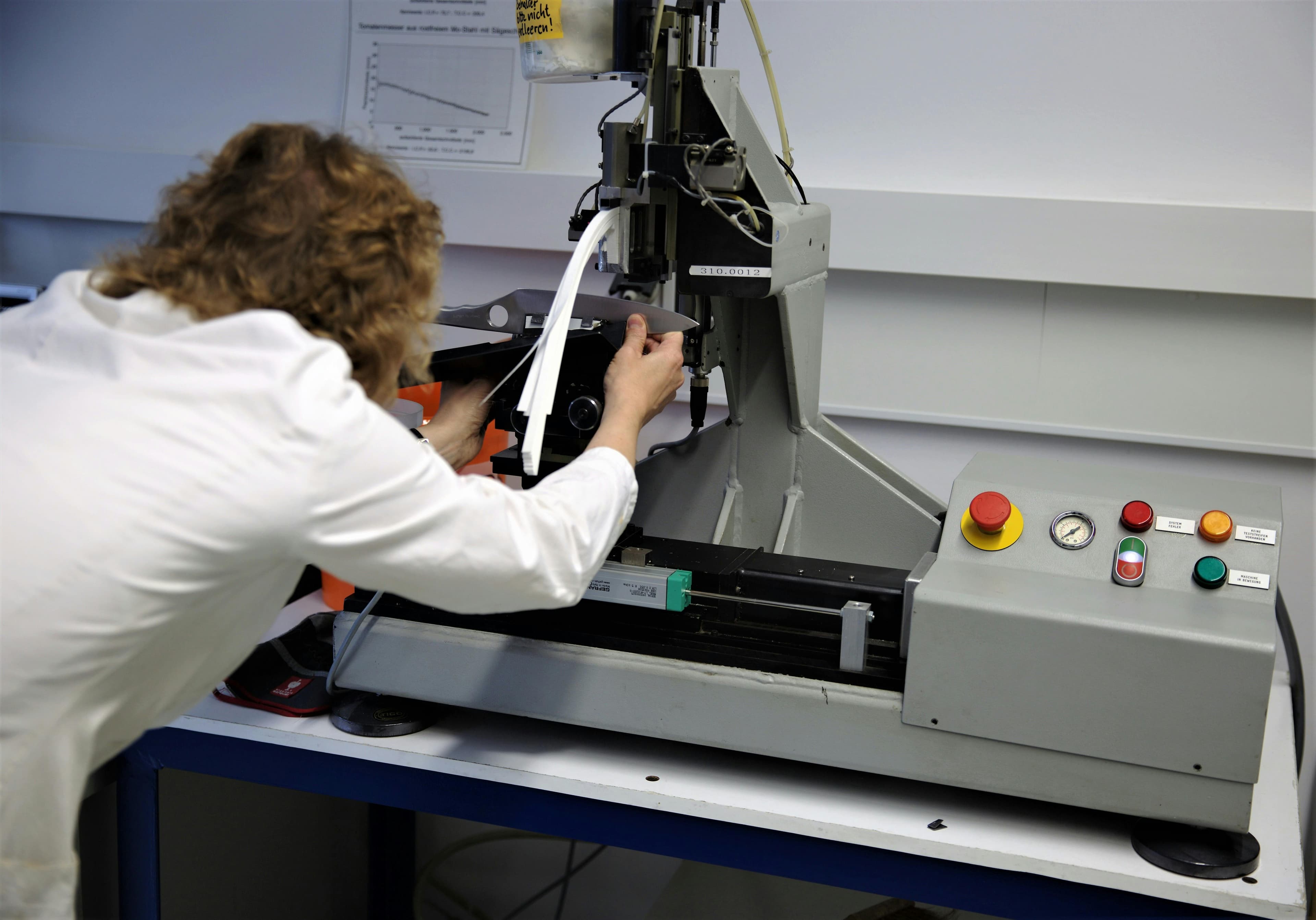
Put engineering into action as an Industrial Engineering Technologist or Technician, applying real-world theory to improve factory layouts, streamline production, and boost efficiency through time-and-motion studies and process analysis. It's a hands-on, in-demand career with strong pay, fast entry into industry, and a clear path to grow alongside engineers across manufacturing, logistics, and beyond.
A New Way to Grow
Skills move faster than ever, and your credentials should too. Micro-credentials, also called non-degree, non-credit, or non-traditional credentials, have become one of the most valuable tools in today's rapidly changing workplace. These focused, standalone credentials prove what you can do right now, letting you build expertise, signal new skills to employers, and advance your career without stepping away from it.
What sets The University of Tennessee's Bachelor's Degree in Integrated or Interdisciplinary Studies (BIS) approach apart is the pathway. Micro-credentials can be mapped directly to community college courses and, through the BIS pathways, all the way to a bachelor's degree. Start with a single credential, stack it into a certificate, roll that into an associate degree, and continue on to a four-year degree if and when you choose. Your education scales at the same pace as your career.