
Advanced Manufacturing Pathway
Careers in Advanced Manufacturing
The Advanced Manufacturing Pathway is built to move careers — and paychecks — forward, fast. Follow this pathway into roles like manufacturing engineer, additive manufacturing engineer, robotics engineer, process and automation engineer, materials engineer, R&D engineer, quality and reliability engineer, and manufacturing operations manager — at automotive, aerospace, defense, energy, medical device, and advanced materials employers across Tennessee and beyond.
Explore the Careers Waiting for You
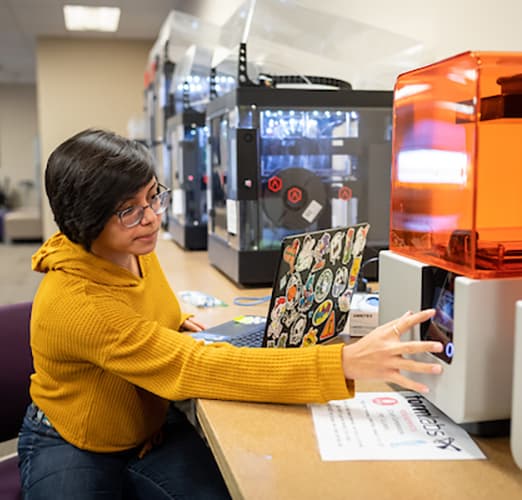
Shape how the world's products get made as a Manufacturing Engineer, designing and improving the systems, processes, and production lines that turn ideas into finished goods — faster, smarter, and at lower cost. It's a high-paying, high-demand career with opportunities across automotive, aerospace, electronics, consumer products, and advanced manufacturing, and a clear path into engineering leadership.
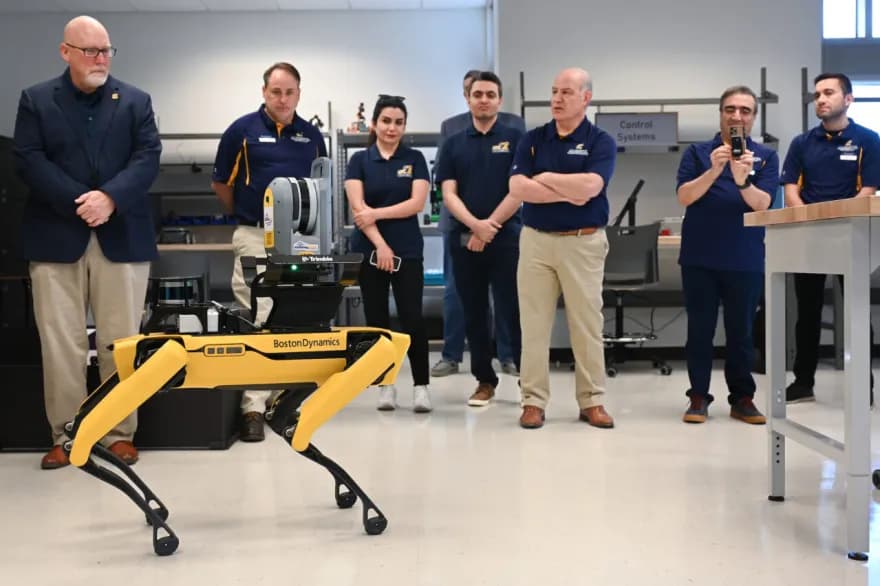
Build the machines that build the future as a Robotics Engineer, researching, designing, and testing the robotic systems that drive everything from advanced manufacturing and automotive assembly to healthcare, defense, agriculture, and space exploration. It's a high-tech, high-paying career with explosive growth and the daily thrill of turning cutting-edge ideas into machines that actually move, think, and work.
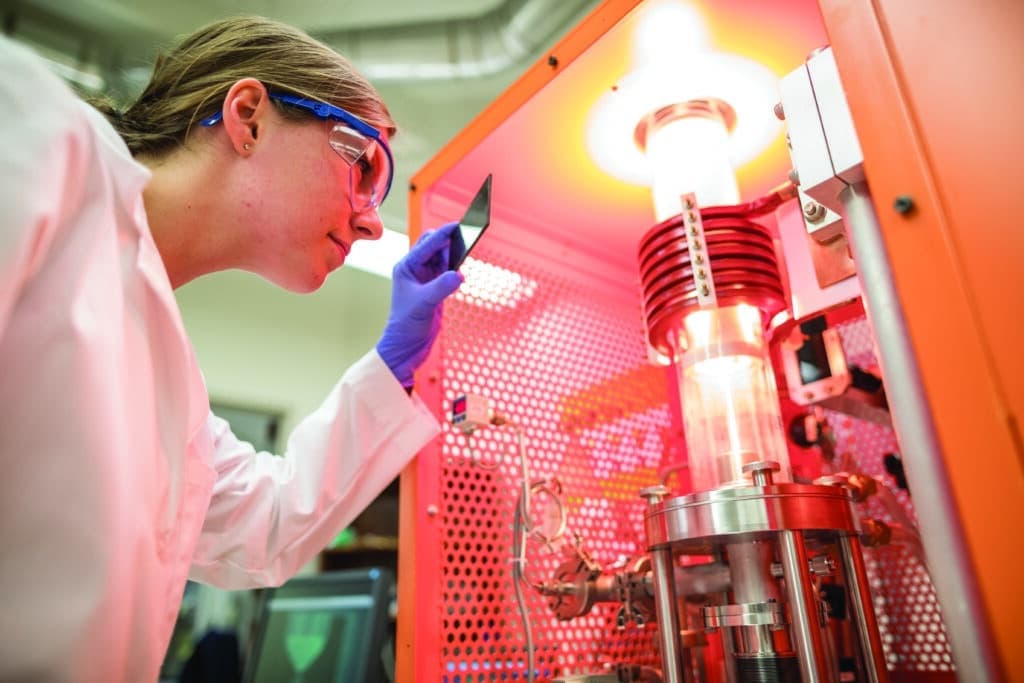
Engineer the building blocks of tomorrow as a Materials Engineer, developing the metals, ceramics, polymers, composites, and cutting-edge materials that make next-generation products possible — from electric vehicles and aircraft to medical devices and clean energy tech. It's a high-paying, high-impact career with strong demand across aerospace, automotive, defense, manufacturing, and R&D, and the chance to invent the materials that change what's possible.
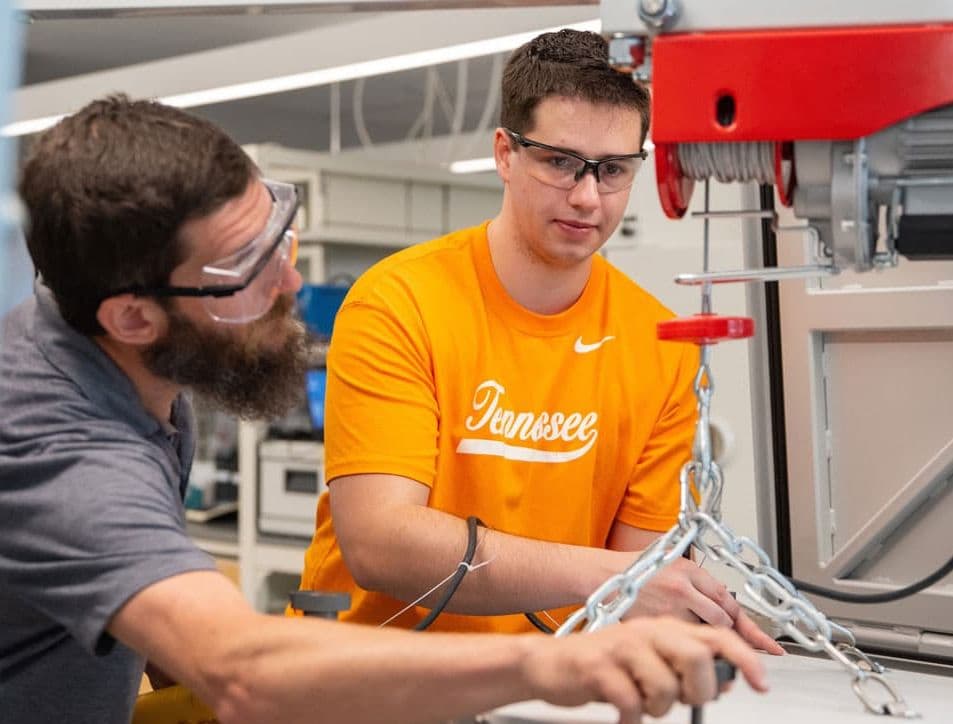
Put engineering theory into action as an Industrial Engineering Technologist or Technician, applying real-world know-how to optimize factory layouts, streamline production, and boost efficiency through time-and-motion studies and process analysis. It's a hands-on, in-demand career with strong pay, fast entry into industry, and a clear path to grow alongside engineers across manufacturing, logistics, and beyond.
A New Way to Grow
Skills move faster than ever, and your credentials should too. Micro-credentials, also called non-degree, non-credit, or non-traditional credentials, have become one of the most valuable tools in today's rapidly changing workplace. These focused, standalone credentials prove what you can do right now, letting you build expertise, signal new skills to employers, and advance your career without stepping away from it.
What sets The University of Tennessee's Bachelor's Degree in Integrated or Interdisciplinary Studies (BIS) approach apart is the pathway. Micro-credentials can be mapped directly to community college courses and, through the BIS pathways, all the way to a bachelor's degree. Start with a single credential, stack it into a certificate, roll that into an associate degree, and continue on to a four-year degree if and when you choose. Your education scales at the same pace as your career.