
Criminal Justice and Homeland Security Pathway
Careers in Criminal Justice and Homeland Security
The Criminal Justice BIS Pathway is your launchpad into careers that protect, serve, and shape communities. Alumni step directly into roles in law enforcement at the local, state, and federal level, including police officer, sheriff's deputy, FBI and other federal agency positions, and Tennessee Bureau of Investigation careers. Others move into the court system as paralegals, court officers, and victim advocates, or into corrections, probation, and parole as case managers, officers, and counselors. With consistent demand, competitive salaries, and meaningful, mission-driven work, a UTC Criminal Justice degree is a career path you can build a future on.
Explore the Careers Waiting for You
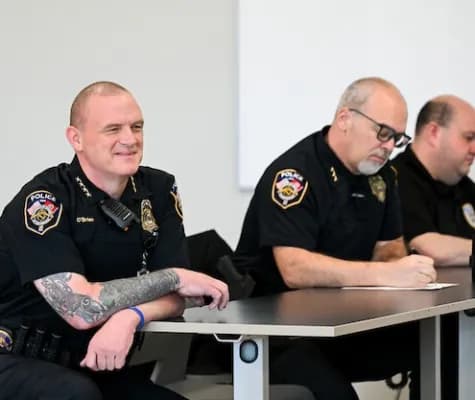
Step into a steady, mission-driven career as a Correctional Officer or Jailer, maintaining safety and order in jails, prisons, and rehabilitative facilities while supporting the rules and routines that keep both staff and inmates secure. It's a respected public-service role with strong job stability, solid pay and benefits, and a clear path to advancement in law enforcement, corrections leadership, and federal agencies.
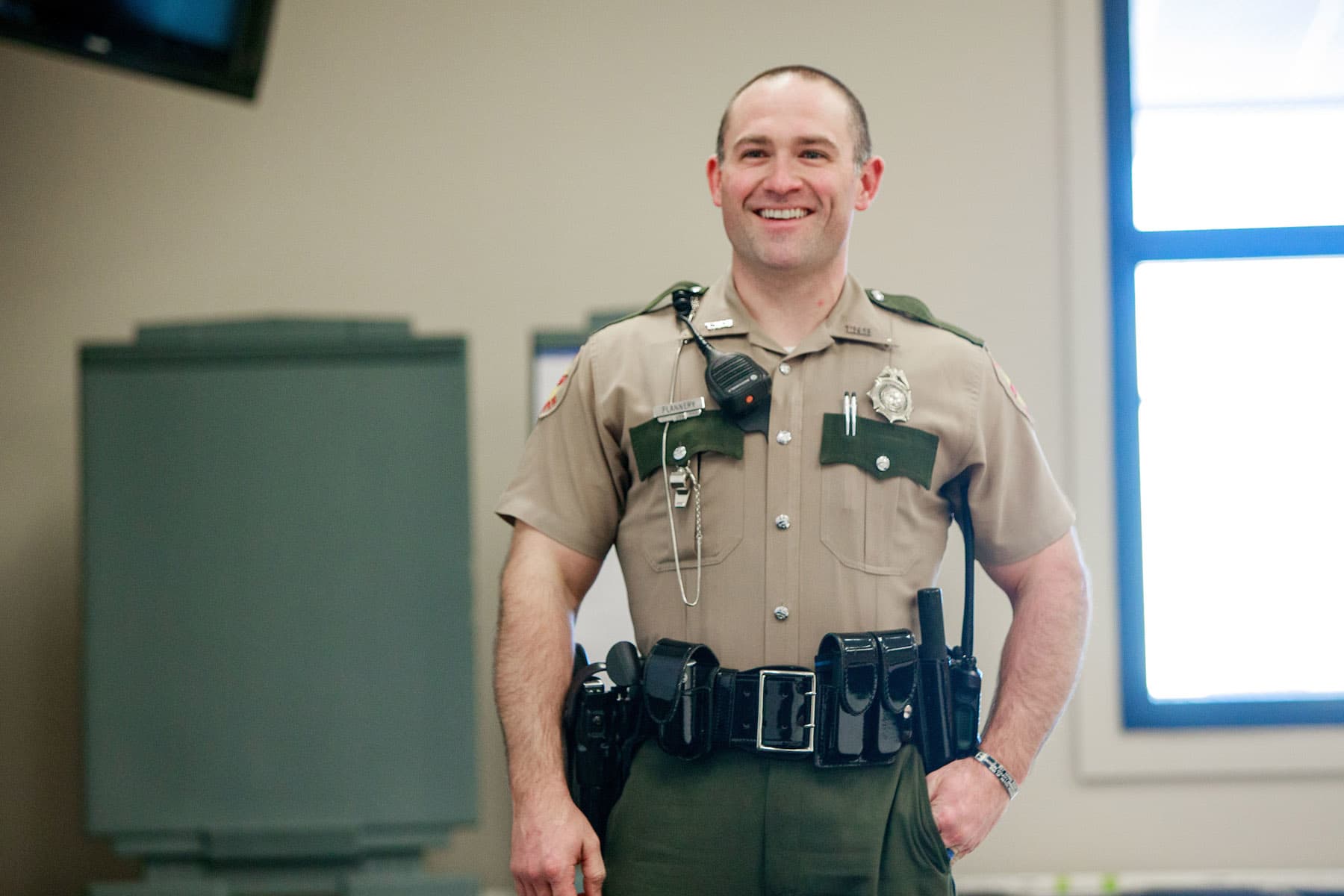
Make a real difference as a Probation Officer or Correctional Treatment Specialist, guiding offenders toward rehabilitation through case management, counseling, and customized plans that support successful reentry into the community. It's a stable, meaningful public-service career with strong demand, competitive pay and benefits, and the chance to change lives one decision at a time.

Serve, protect, and lead from the front lines as a Police or Sheriff's Patrol Officer, enforcing the law, responding to calls, investigating incidents, and keeping your community safe day in and day out. It's a respected, mission-driven career with strong pay and benefits, excellent retirement, and clear pathways into specialized units like investigations, K-9, SWAT, and command leadership.
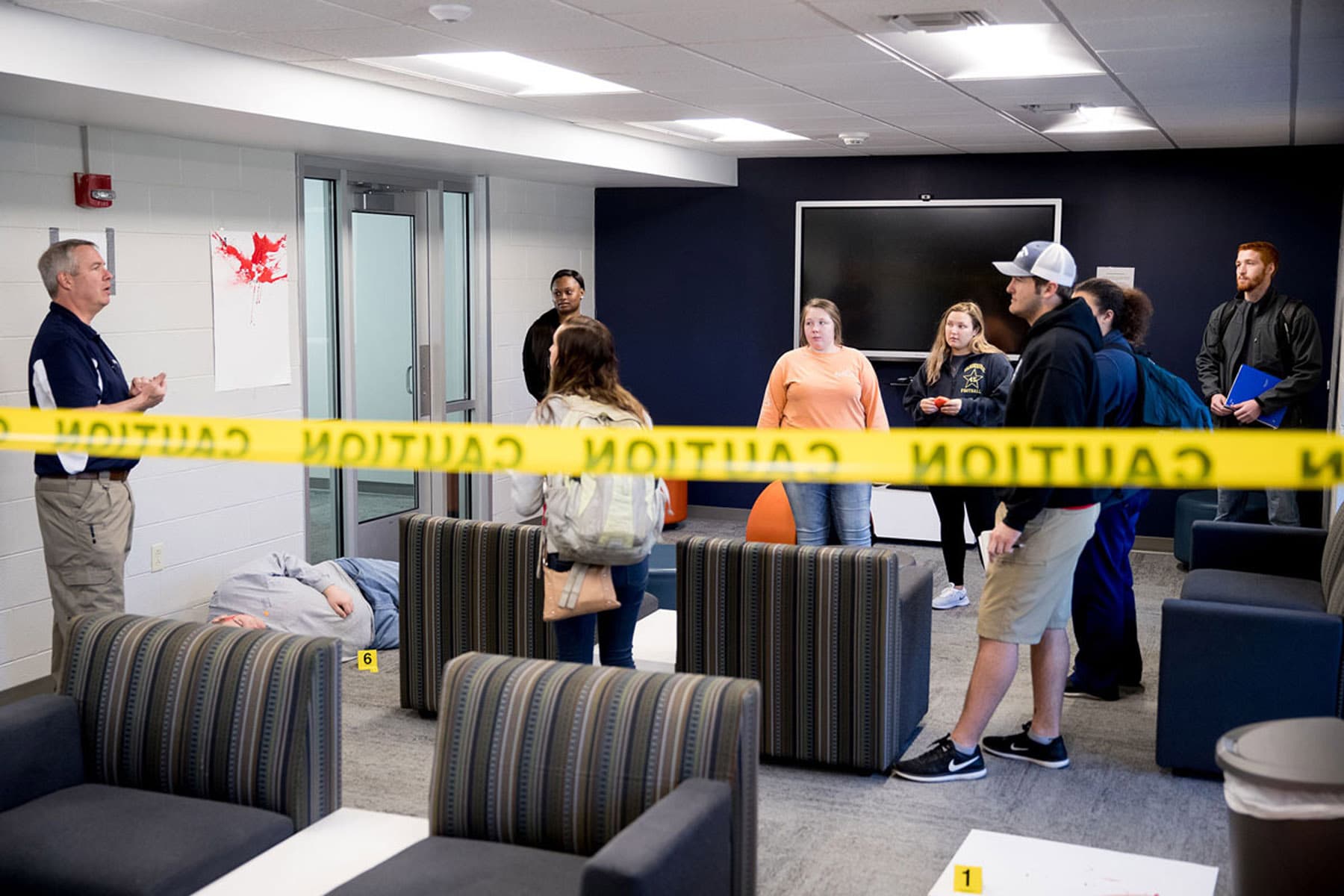
Help solve cases as a Forensic Science Technician, collecting and analyzing the physical evidence — from fingerprints and fibers to ballistics and DNA — that turns crime scenes into convictions. It's a high-skill, high-impact career that blends science and investigation, with strong demand in crime labs, law enforcement agencies, and specialized forensic units.
A New Way to Grow
Skills move faster than ever, and your credentials should too. Micro-credentials, also called non-degree, non-credit, or non-traditional credentials, have become one of the most valuable tools in today's rapidly changing workplace. These focused, standalone credentials prove what you can do right now, letting you build expertise, signal new skills to employers, and advance your career without stepping away from it.
What sets The University of Tennessee's Bachelor's Degree in Integrated or Interdisciplinary Studies (BIS) approach apart is the pathway. Micro-credentials can be mapped directly to community college courses and, through the BIS pathways, all the way to a bachelor's degree. Start with a single credential, stack it into a certificate, roll that into an associate degree, and continue on to a four-year degree if and when you choose. Your education scales at the same pace as your career.