
Mech Engineering Tech Pathway
Careers in Mech Engineering Tech
Build a hands-on career at the heart of how things get made — the Mechanical Engineering Technology pathway prepares you to design, test, build, and improve the machines, products, and systems that power modern industry. You'll gain real-world skills in computer-aided drafting (CAD), CNC machining, manufacturing processes, mechanics, materials, and product design, all taught with the same software and equipment used in industry. Graduates step into in-demand, well-paying roles like mechanical engineering technician, mechanical drafter, CAD designer, manufacturing technician, quality technician, and CNC programmer — supporting engineers across automotive, aerospace, energy, robotics, and advanced manufacturing.
Explore the Careers Waiting for You
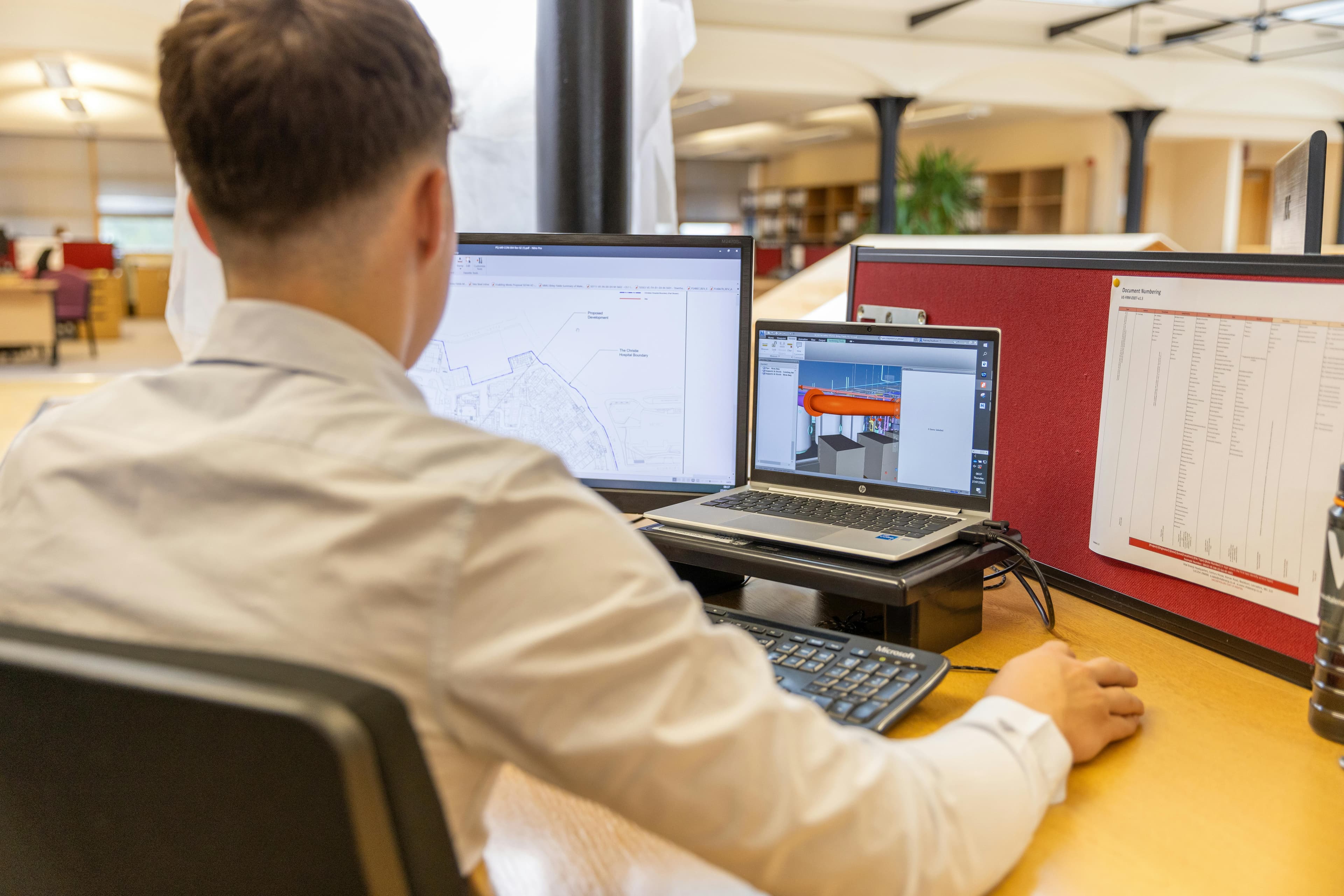
Design the machines that move the world as a Mechanical Engineer, planning and engineering everything from engines and tools to heating, water, and energy systems that power industry and daily life. It's a versatile, well-paid career with opportunities across manufacturing, automotive, aerospace, energy, and beyond — and the chance to turn smart ideas into real-world impact.

Translate big ideas into the blueprints that build them — as a Mechanical Drafter, you'll create the detailed working diagrams of machines and mechanical devices that engineers and manufacturers rely on, right down to dimensions, materials, and fastening methods. It's a precision-focused, in-demand career where your CAD skills bring innovation to life across manufacturing, automotive, aerospace, and product design.
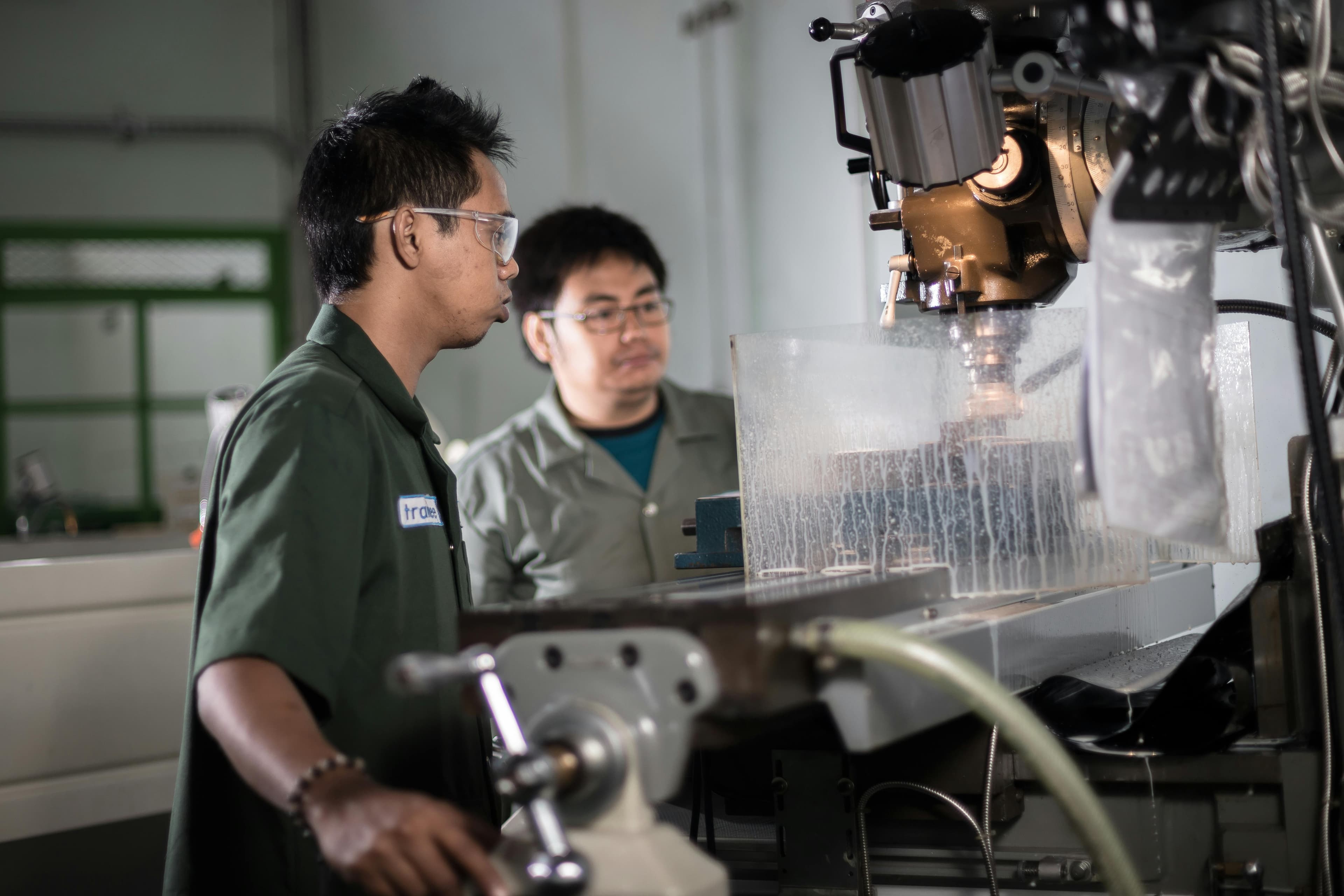
Turn code into precision-crafted parts as a Computer Numerically Controlled (CNC) Tool Programmer, writing the programs that drive automated machine tools to cut, shape, and finish components for everything from aerospace to medical devices. It's a high-skill, high-demand career where your programming chops and machining know-how directly shape how modern products get made.
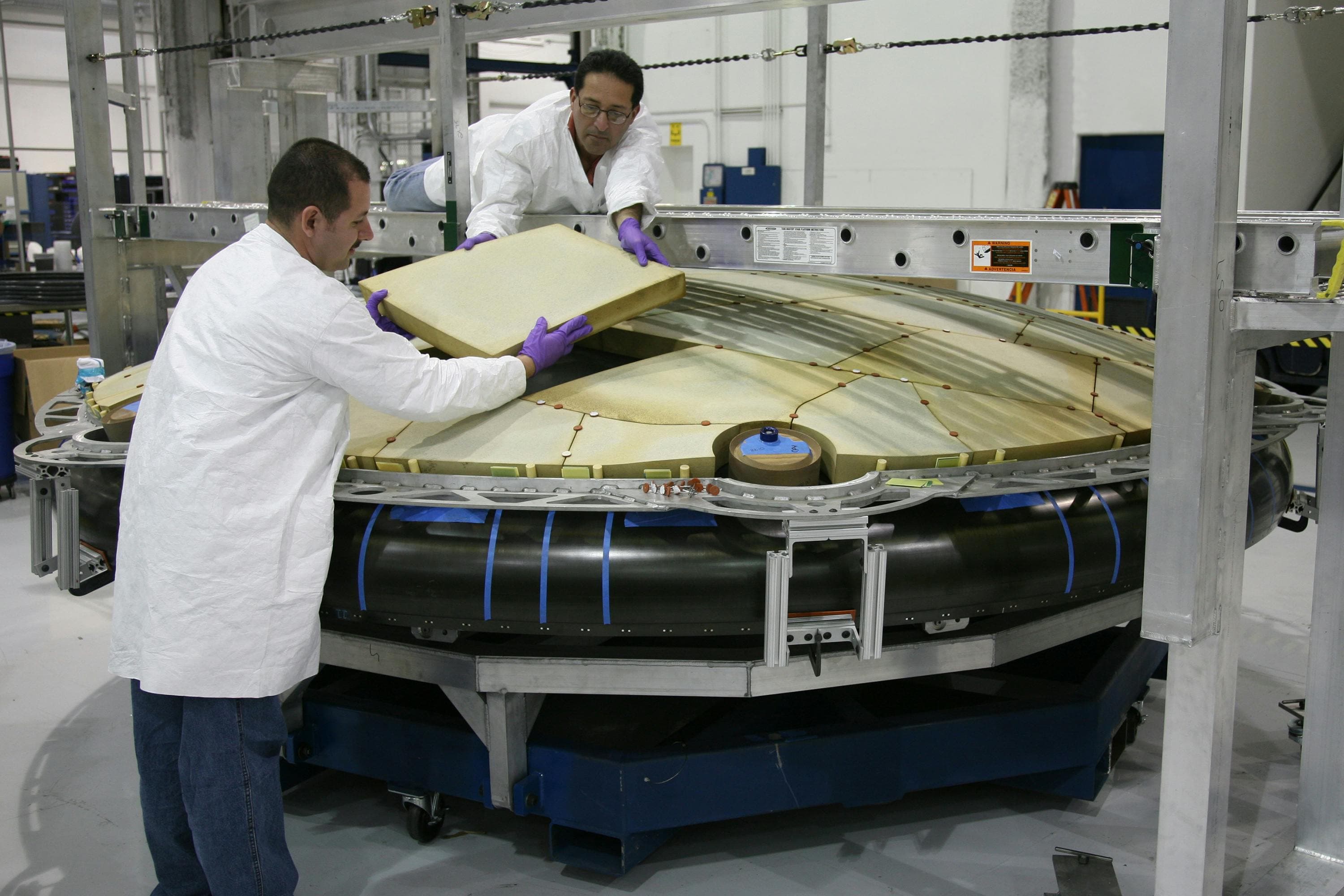
Help launch the future as an Aerospace Engineering and Operations Technician, operating, installing, and maintaining the cutting-edge systems, simulators, and instruments that test, track, and fly today's aircraft and spacecraft. It's a high-tech, high-impact career where your skills directly support the engineers — and the missions — pushing the boundaries of flight.
A New Way to Grow
Skills move faster than ever, and your credentials should too. Micro-credentials, also called non-degree, non-credit, or non-traditional credentials, have become one of the most valuable tools in today's rapidly changing workplace. These focused, standalone credentials prove what you can do right now, letting you build expertise, signal new skills to employers, and advance your career without stepping away from it.
What sets The University of Tennessee's Bachelor's Degree in Integrated or Interdisciplinary Studies (BIS) approach apart is the pathway. Micro-credentials can be mapped directly to community college courses and, through the BIS pathways, all the way to a bachelor's degree. Start with a single credential, stack it into a certificate, roll that into an associate degree, and continue on to a four-year degree if and when you choose. Your education scales at the same pace as your career.