
Process Engineering Pathway
Careers in Process Engineering
The Process Engineering Pathway puts you at the center of how the world's products and materials actually get made, with strong demand across manufacturing, chemicals, pharmaceuticals, energy, food and beverage, semiconductors, and advanced materials. Graduates step into roles like process engineer, manufacturing process engineer, continuous improvement engineer, automation and controls engineer, quality and reliability engineer, and production engineer — quickly advancing into senior, lead, and management positions. You'll find process engineers designing and optimizing production lines, reducing waste and cost, scaling new technologies from lab to factory floor, and keeping facilities running safely and efficiently.
Explore the Careers Waiting for You

Engineer the building blocks of tomorrow as a Materials Engineer, developing the metals, alloys, ceramics, polymers, composites, and advanced materials that make next-generation products possible — from electric vehicles and aircraft to medical devices, semiconductors, and clean energy systems. It's a high-paying, high-impact career with strong demand across aerospace, automotive, defense, manufacturing, and R&D, and the chance to invent the materials that change what's possible.
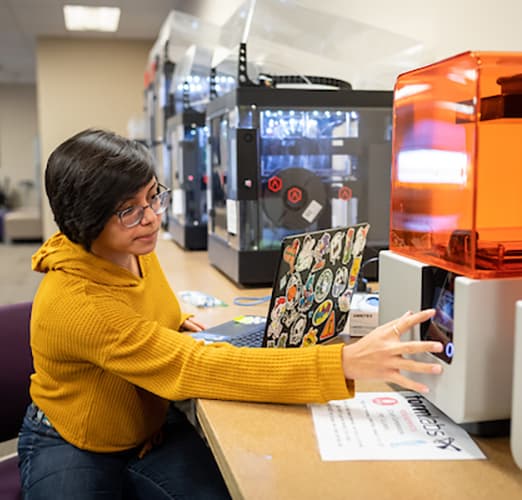
Shape how the world's products get made as a Manufacturing Engineer, designing and improving the systems, processes, and production lines that turn ideas into finished goods — faster, smarter, and at lower cost. It's a high-paying, high-demand career with opportunities across automotive, aerospace, electronics, consumer products, and advanced manufacturing, and a clear path into engineering leadership.
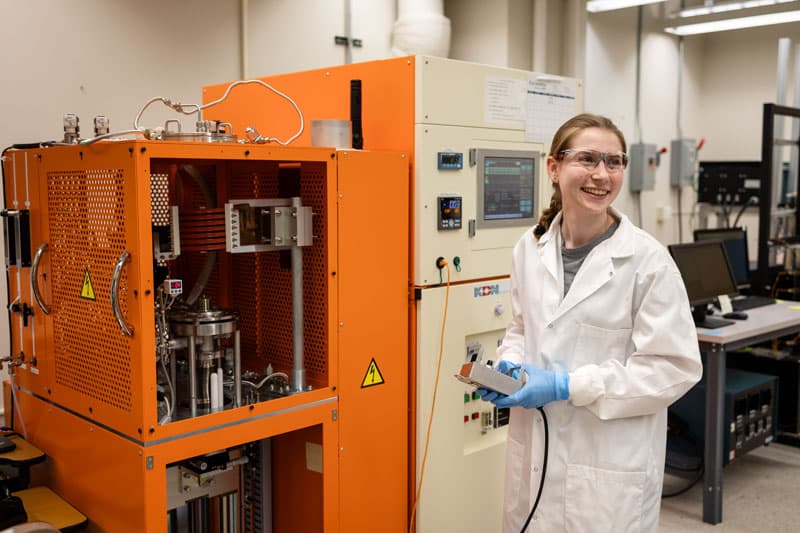
Make every system run smarter as an Industrial Engineer, designing and optimizing the production processes, supply chains, quality systems, and human workflows that keep modern industry moving — from factories and hospitals to logistics networks and tech companies. It's a versatile, high-paying career with strong demand across nearly every sector and a clear path into leadership wherever efficiency, quality, and results matter.
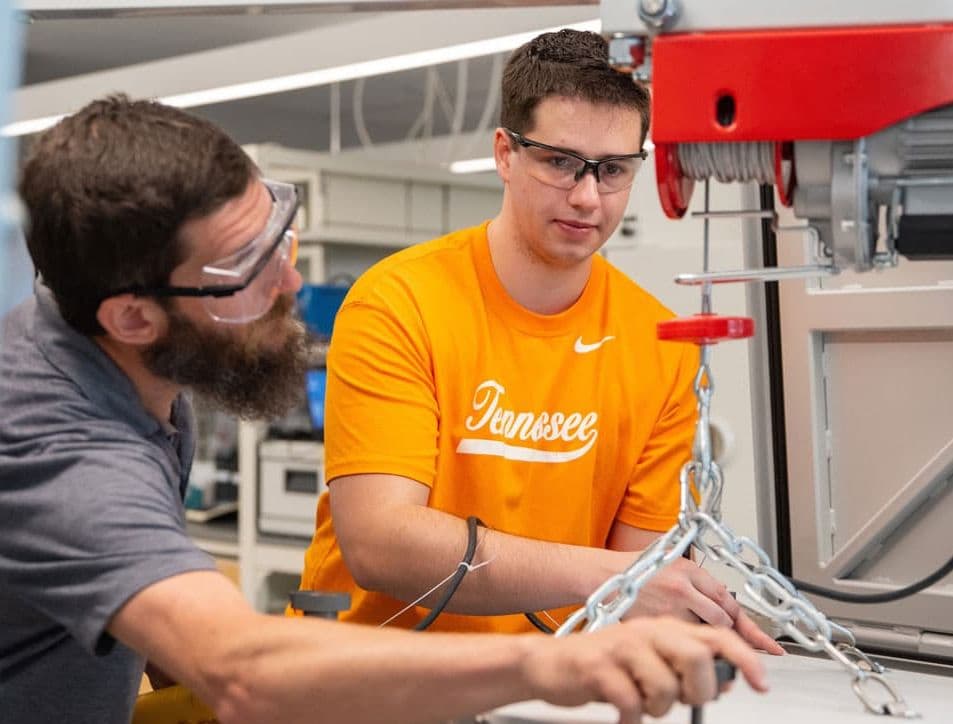
Put engineering theory into action as an Industrial Engineering Technologist or Technician, applying real-world know-how to optimize factory layouts, streamline production, and boost efficiency through time-and-motion studies and process analysis. It's a hands-on, in-demand career with strong pay, fast entry into industry, and a clear path to grow alongside engineers across manufacturing, logistics, and beyond.
A New Way to Grow
Skills move faster than ever, and your credentials should too. Micro-credentials, also called non-degree, non-credit, or non-traditional credentials, have become one of the most valuable tools in today's rapidly changing workplace. These focused, standalone credentials prove what you can do right now, letting you build expertise, signal new skills to employers, and advance your career without stepping away from it.
What sets The University of Tennessee's Bachelor's Degree in Integrated or Interdisciplinary Studies (BIS) approach apart is the pathway. Micro-credentials can be mapped directly to community college courses and, through the BIS pathways, all the way to a bachelor's degree. Start with a single credential, stack it into a certificate, roll that into an associate degree, and continue on to a four-year degree if and when you choose. Your education scales at the same pace as your career.